When football becomes culture
How a kit drop turned into a cultural movement. Pisa returned to Serie A after 34 years, and the jerseys that carried it there weren’t merchandise. They were the story, worn.
4 min read
Some clubs announce a new kit. Pisa announced a return.
Thirty-four years is longer than most of the club's supporters have been alive. When a wait like that finally ends, you don't just reveal a jersey. You tell people what it means. So when Pisa Sporting Club came back to Serie A, we made a choice that shaped everything that followed: the launch was never about showing the new kits. It was about narrating them, turning a football release into a cultural statement that connected the city, the club, and the new media ecosystem growing around both.
Three designs, three moods, one story
Each kit carries a chapter of the story that began with the February 2025 rebrand. Together they read like a short film about Pisa itself.
The home kit reimagines tradition. Black and blue stripes, the club's oldest symbols of pride, washed in golden light. Pressed inside the collar sits the croce pallata, emblem of the ancient Maritime Republic. It's the kind of heritage you feel on the back of your neck before anyone else sees it.
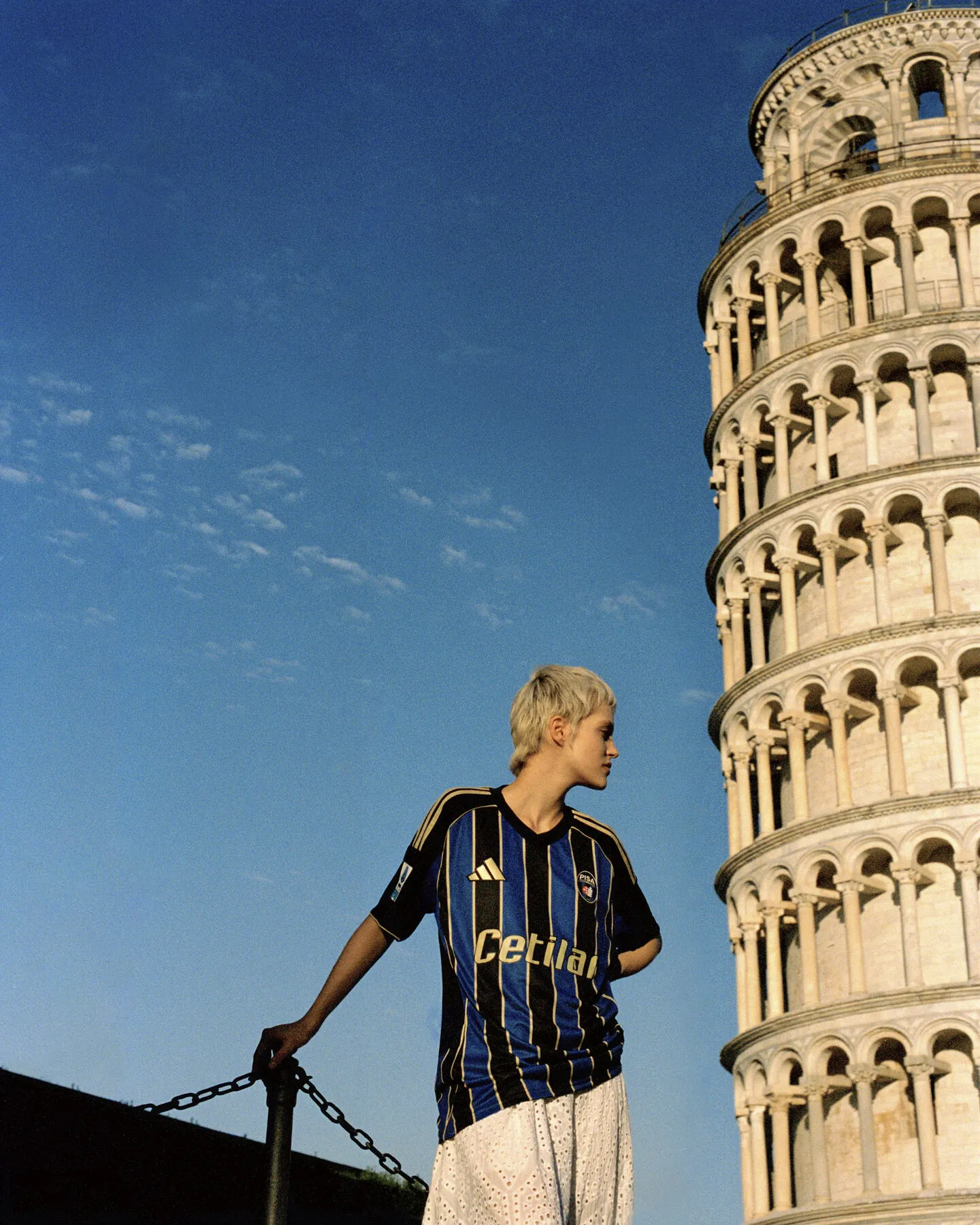
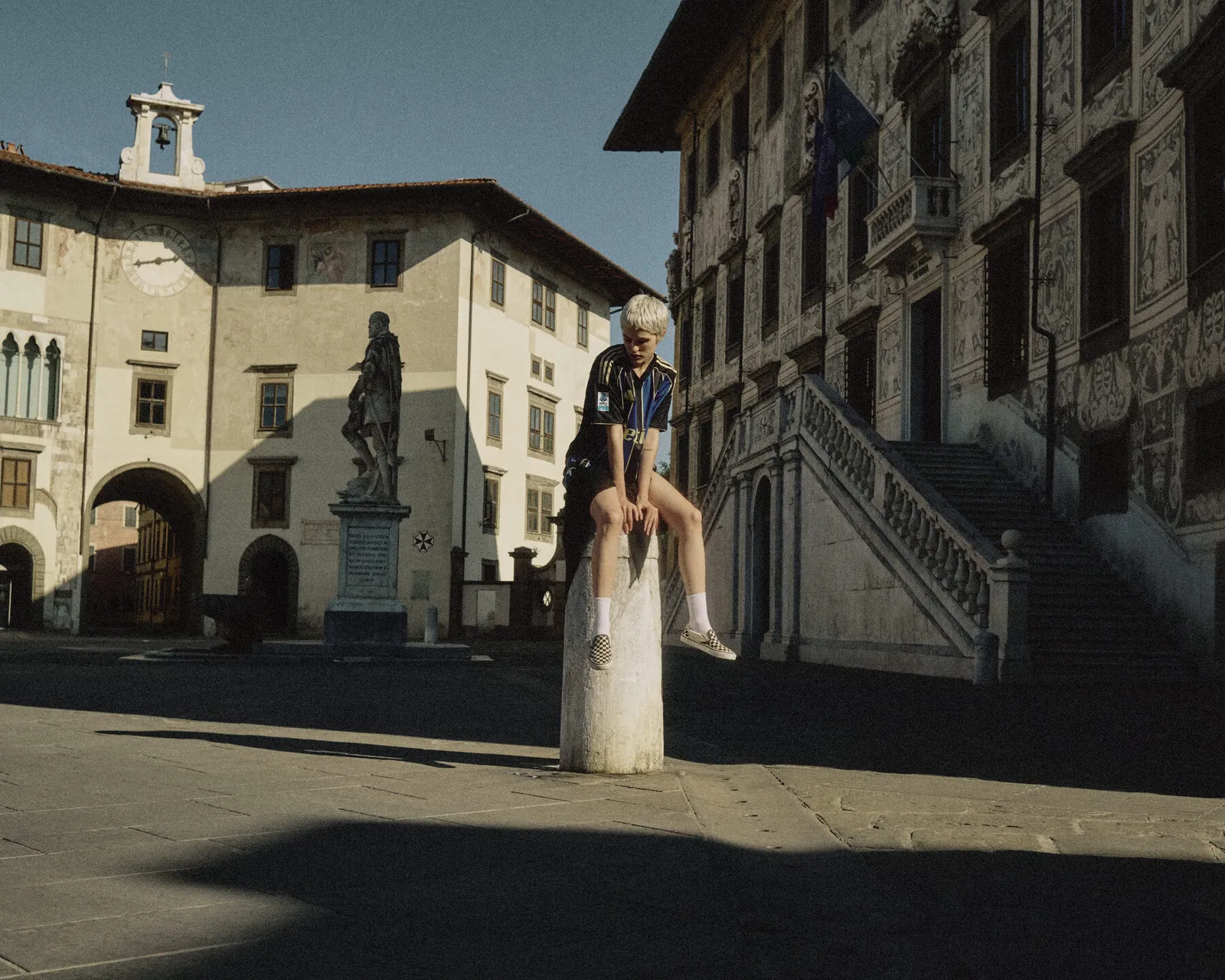
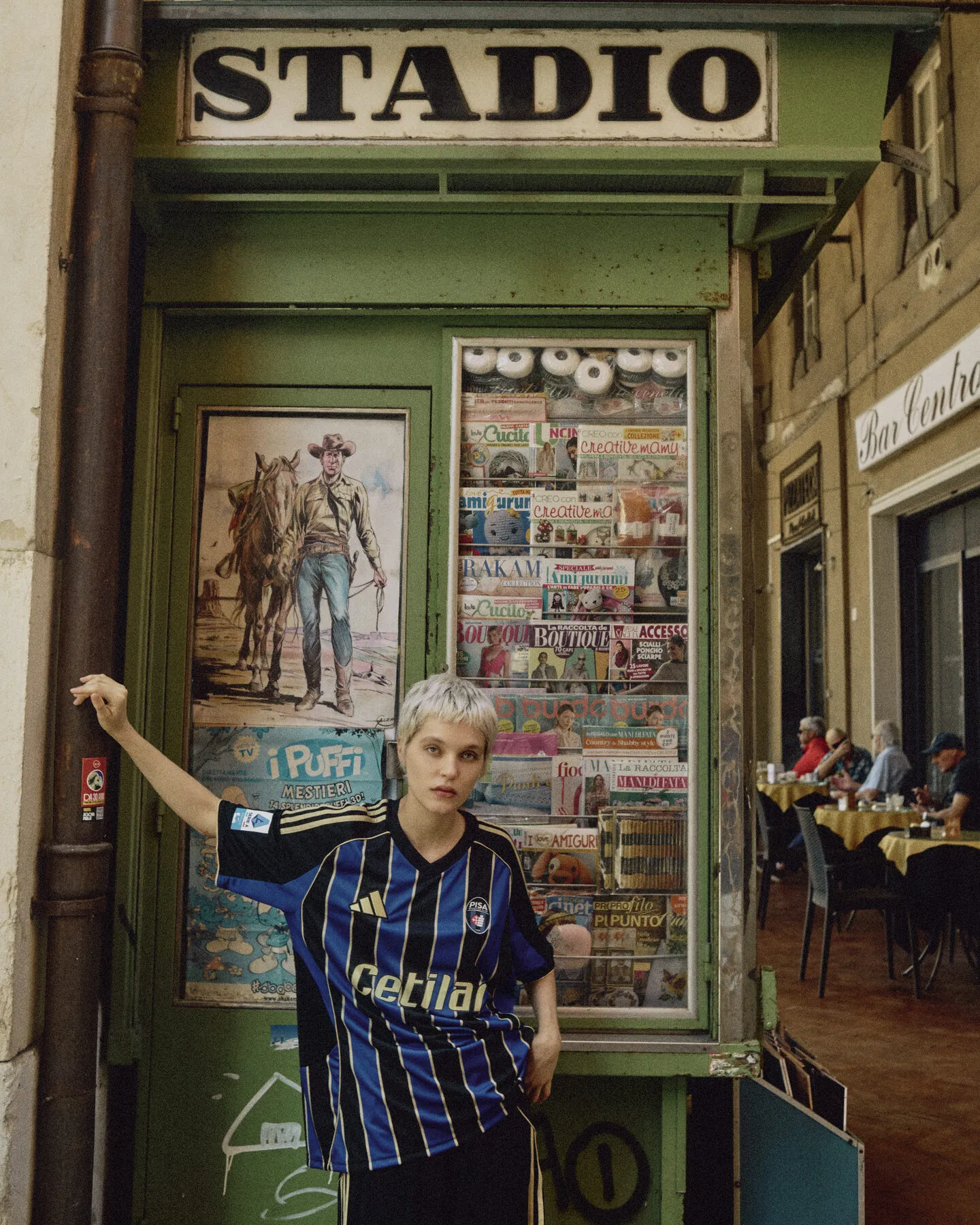
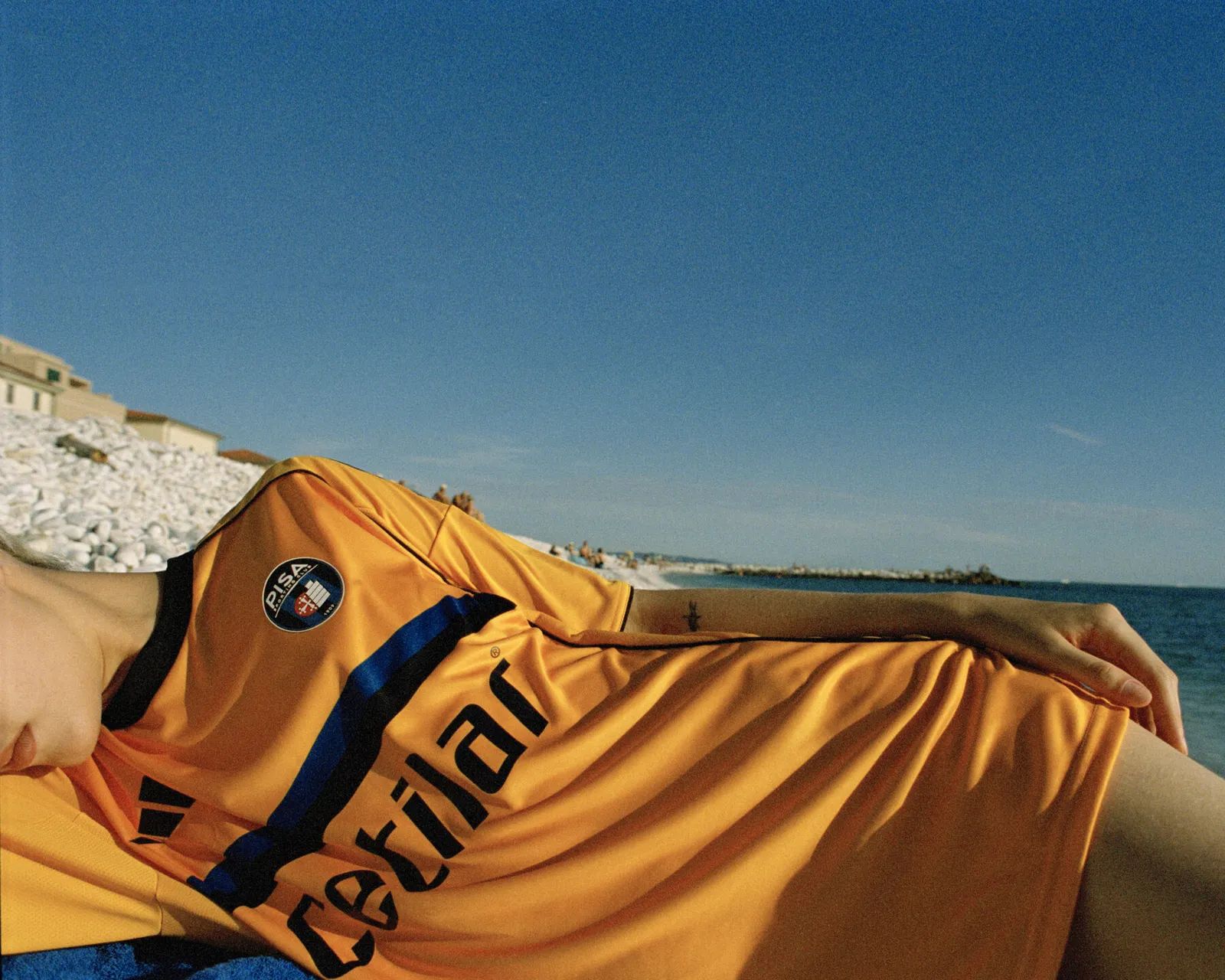
The away kit connects the territory. Dalla Cittadella al mar: from the fortress to the sea, two places, one direction. The yellow of the province, crossed by black and blue lines at heart level. Geography, memory, and belonging in a single garment, lifted straight from the songs the curva already sings.
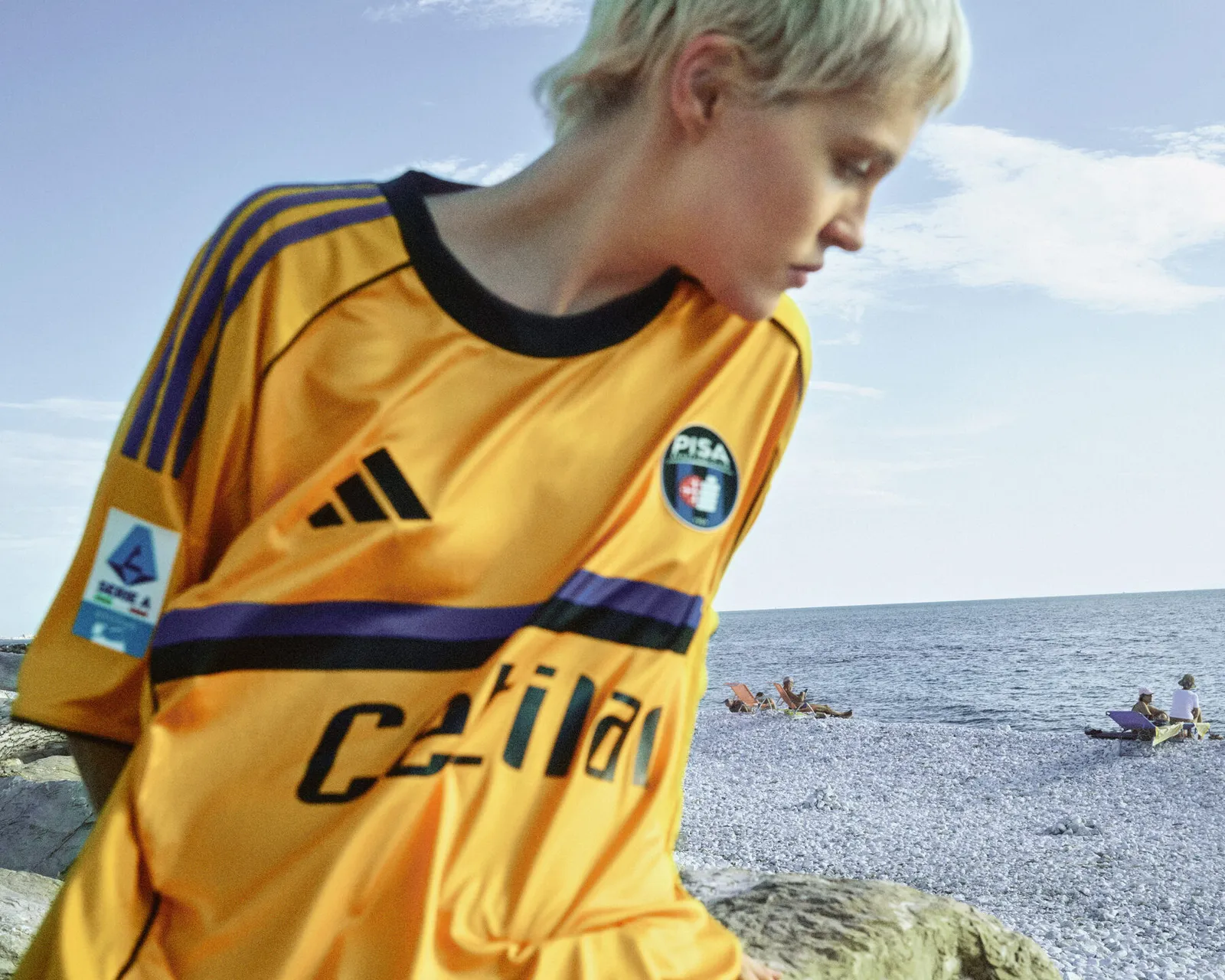
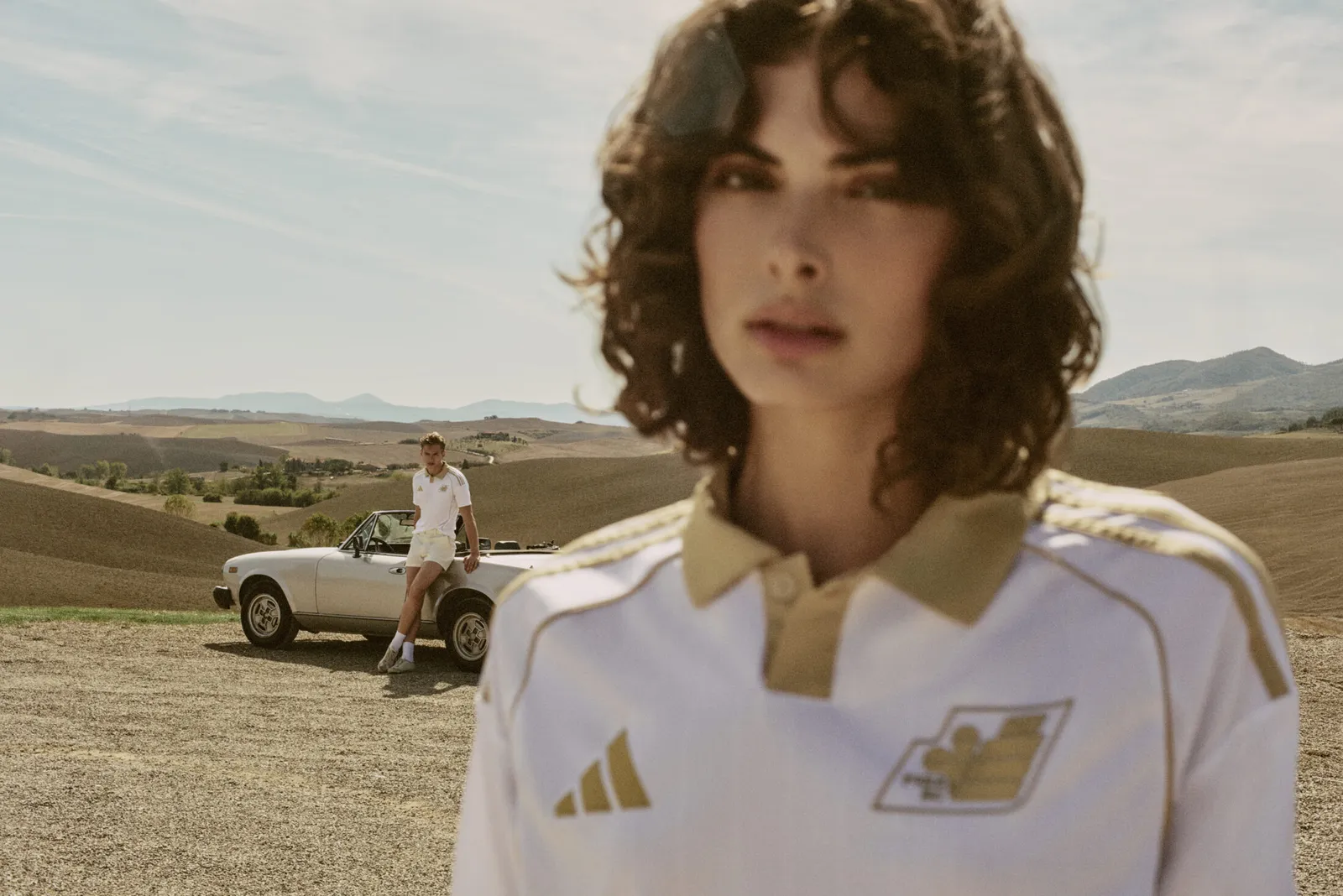
The third kit elevates the lifestyle. The club's 1980s crest returns through a cinematic lens: white fabric, golden pinstripes, a couple drifting through the Tuscan hills. La dolce vita in a football shirt, the game recast as style and expression.
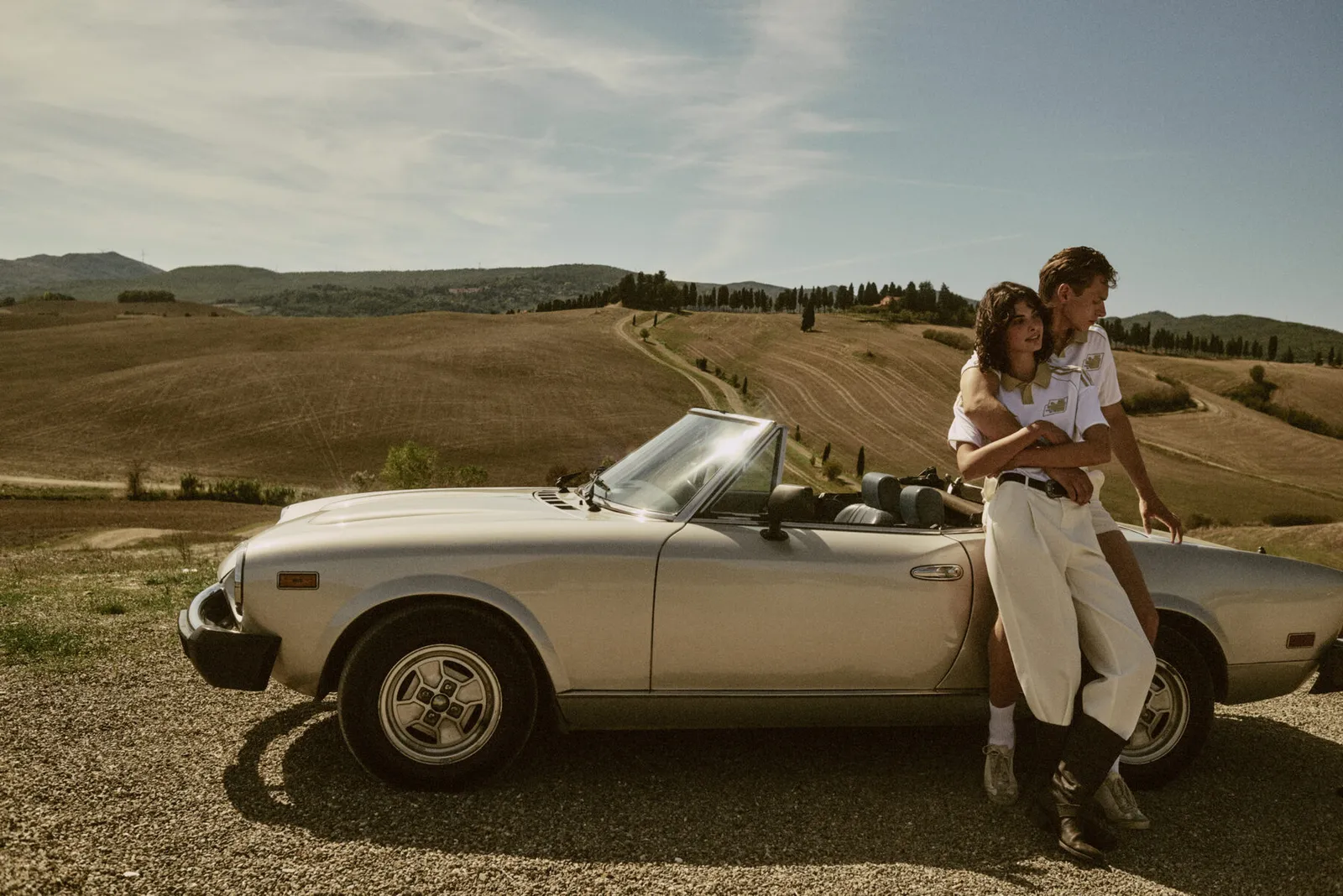
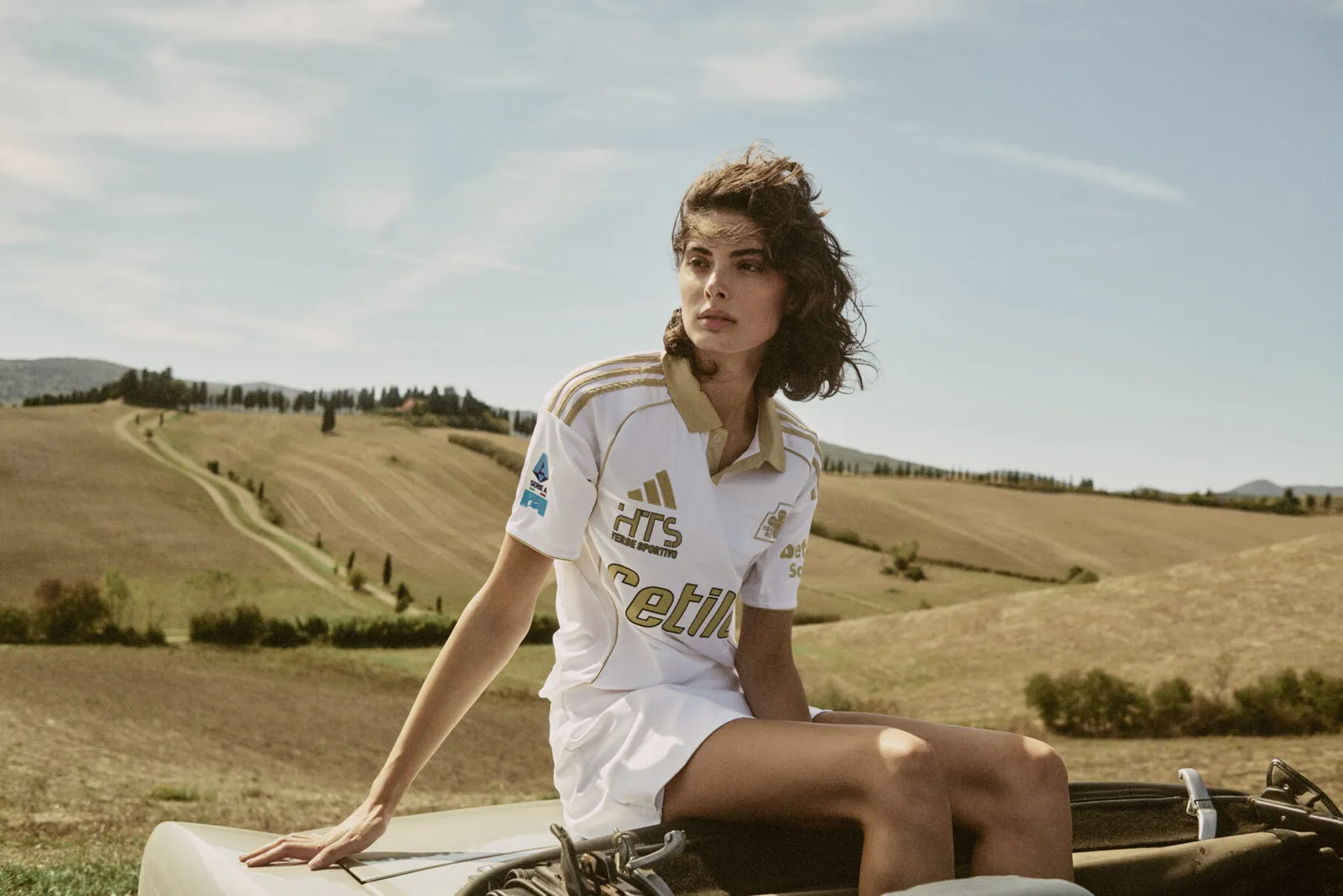
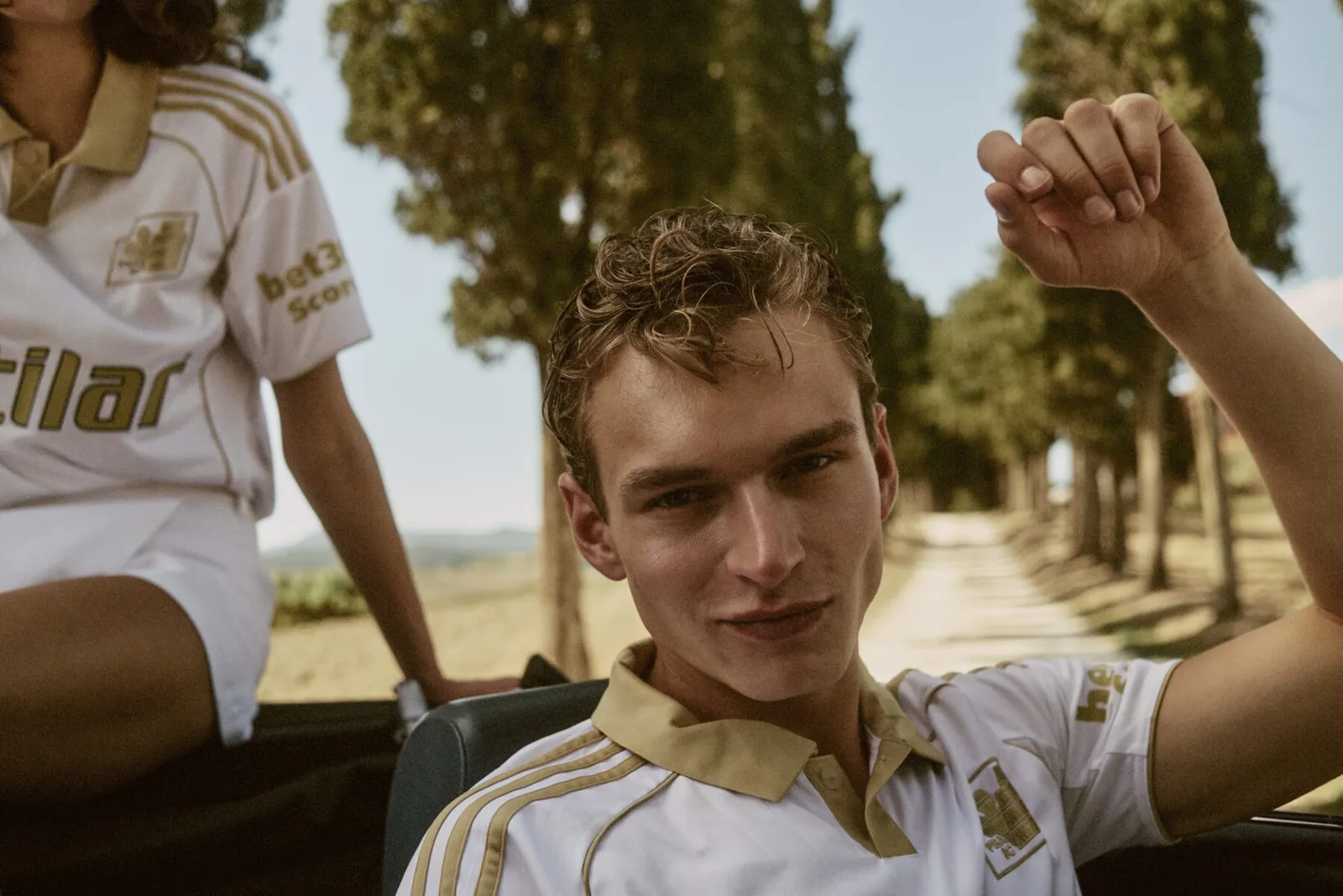
Shot by Filippo Tarentini, the campaign moves between sport, fashion, and cinema without ever feeling like an ad. Concept, direction, and production were handled entirely in house by Marte Team.
A jersey is no longer merchandising. It's culture, and culture travels.
Designing a club, not just a campaign
The beauty is the visible part. The system is the point.
The three kits form a modular design language built on heritage, territory, and lifestyle. Each jersey plays its own role, and together they build a single identity. The communication followed the same logic: owned media as the narrative core, earned media as amplification, collaborations as bridges to new audiences. The goal was never to chase trends. It was to design meaning.
And beneath the poetry sat the machine. A campaign this ambitious converts only because the unglamorous work was done a season earlier, back in Serie B. The warehouse and suppliers were put in order, product quality went up, the online store was rebuilt from scratch with a catalog designed for drops, and performance marketing was switched on for the first time in the club's history. Culture made the shirts desirable. Operations made them available. You need both, and you have to build them in the opposite order from how people see them.
The season answered in numbers. November 2025 was the best e-commerce month the club had ever recorded. December set records in the store and online, from Black Friday through Christmas. Then came February 2026 and the exclamation point: a fourth jersey, all black with a golden Croce Pisana, worn for a single night. Five hundred numbered shirts sold out in minutes. By then the press wasn't covering a product anymore. It was covering a statement. GQ Italia named the campaigns among the most beautiful in Serie A, from a newly promoted club outshining budgets many times its size.
- The kit drop was treated as a media product, not merchandising: three designs, three moods, one story, created entirely in house.
- The cultural resonance converted because the operations came first. Warehouse, suppliers, quality, and e-commerce were all built before the poetry.
- Treat a jersey like culture and it travels, building meaning, audiences, and revenue at once. That is what turning a club into a brand looks like.
Football's new language
Pisa shows what happens when you treat a kit like a media product: it travels, it resonates, and it builds meaning far beyond the ninety minutes. This is the work we do, turning clubs into brands and identity into influence. The campaign doesn't just celebrate a return. It points to a future, because the next era of football won't belong only to the people who play the game. It will belong to the people who know how to tell it.