The club that is rebuilding match day
What Sanremese says about where the value in Italian football has moved, and about the work underneath it.
3 min read
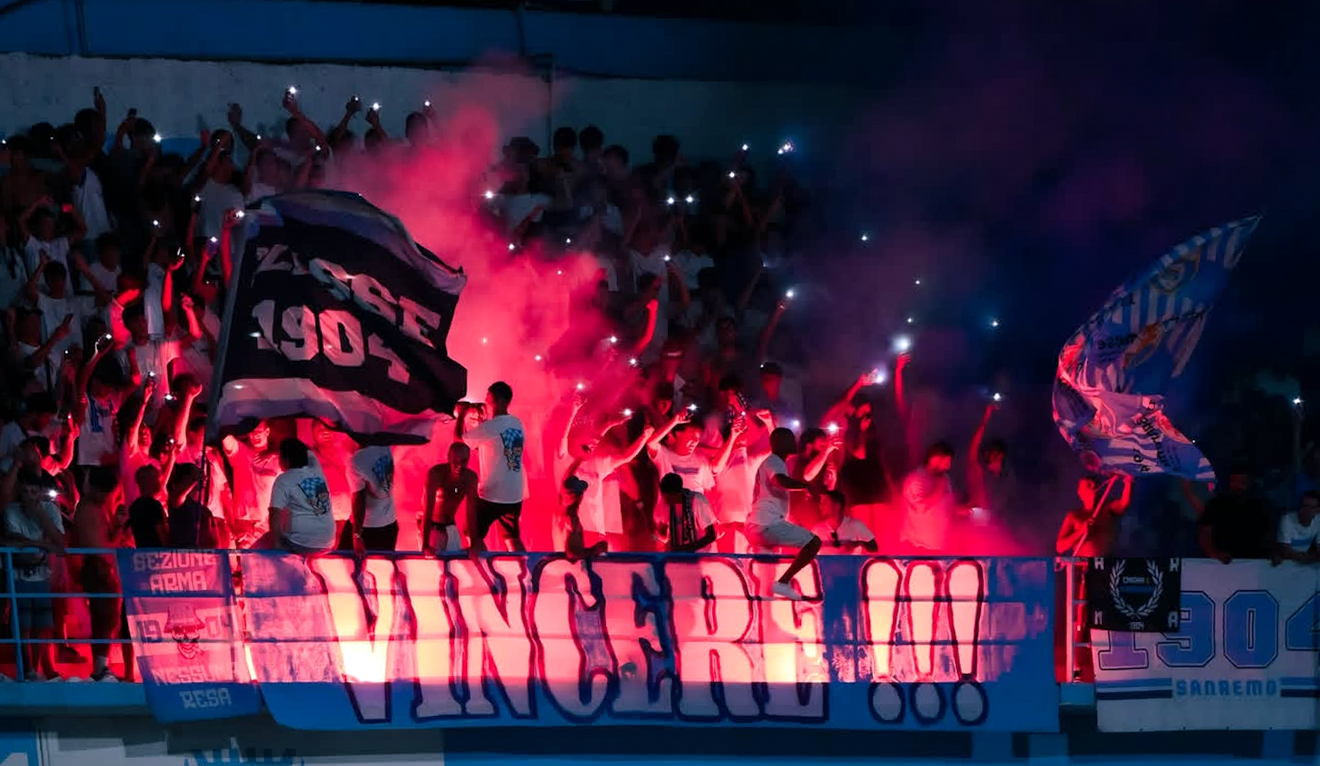
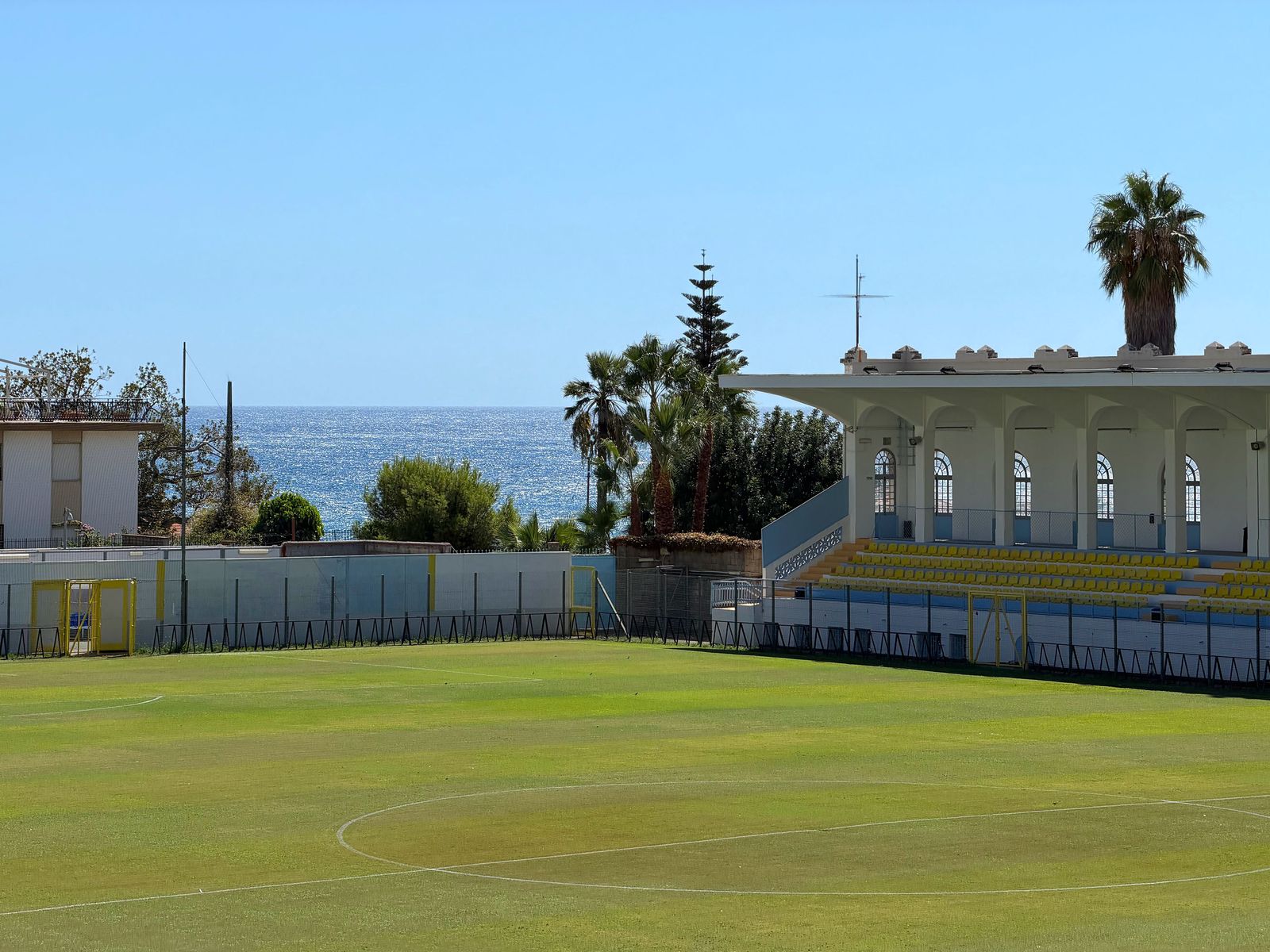
On the last Sunday of August, two thousand people went to the Comunale in Sanremo to watch a cup tie in Serie D, the fourth division of Italian football. A year earlier an ordinary afternoon at the same stadium drew a few hundred. Nothing about the town changed in between. What changed is that the club started treating the match day as something to build.
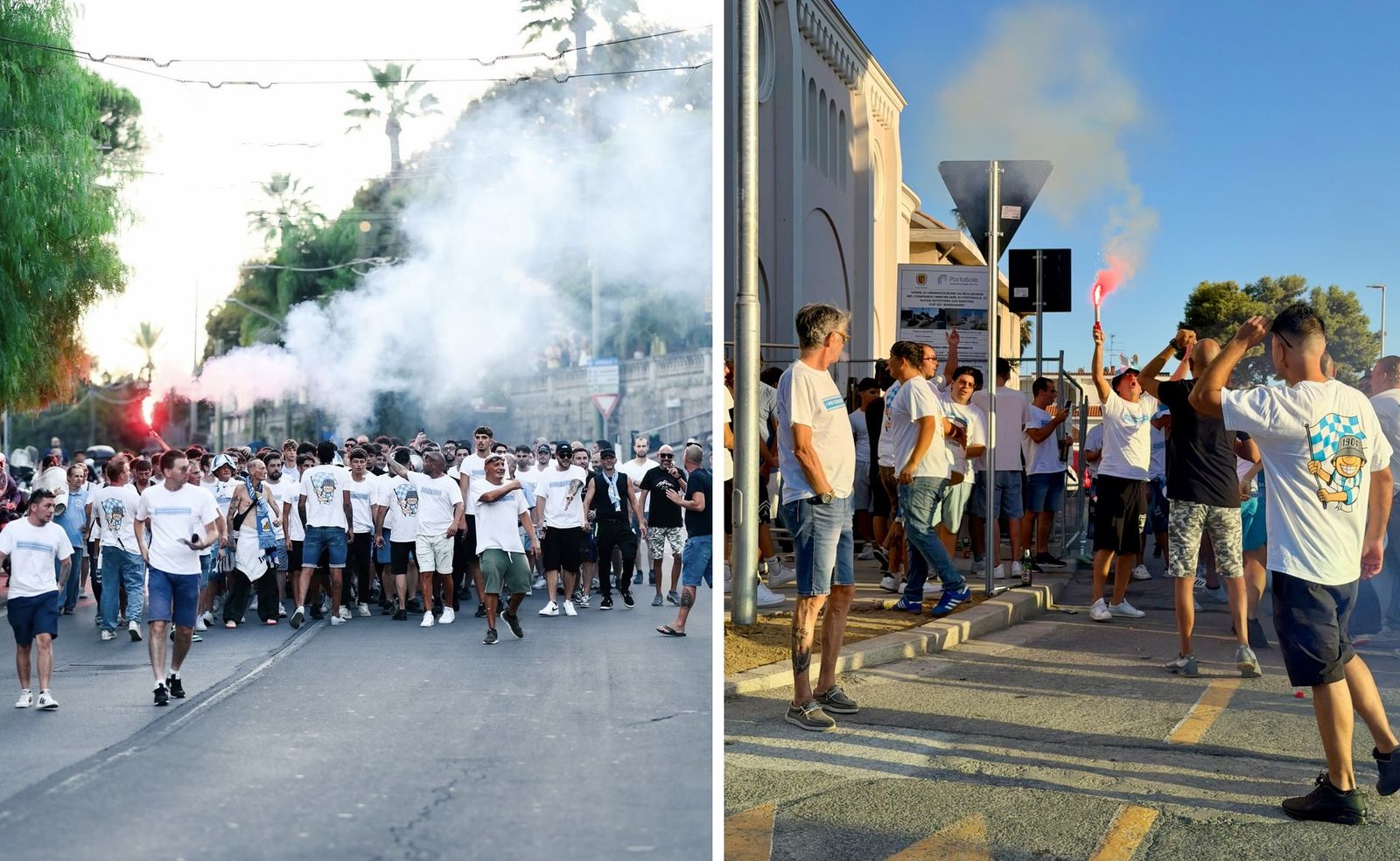
There is a wider shift underneath it. For twenty years the top of the game has drifted away from the people who built it, into later kick-offs, higher prices and a product made for one person watching at home. The football that still belongs to a place survived further down the ladder.
Sanremo brings rare gifts to that. This is the Riviera dei Fiori, a stretch of coast that has been growing flowers for the rest of Europe, and welcoming the rest of Europe in return, for more than a century. For one week every February the town holds the biggest stage in Italian music and becomes the most watched word in the country. In March the first great classic of the cycling season comes down the coast and finishes on its main street. Crowds and cameras are not new here, they are a habit. And the French border is twenty minutes away, Monaco an hour, so an international board is not an import in Sanremo, it is the town behaving like itself. A club in a place like this does not have to invent reasons for people to look at it. It has to be worth looking at when they do.
All the parts, no engine
Look at what a club like this already owns: a brand older than nearly every business in town. A ground with seventeen dates a year in it. A few thousand people who feel something about the badge. Hundreds of families in the youth sector. Perimeter boards, a shop, a stadium a short walk from the middle of a city the whole country looks at once a year.
What is usually missing is never a piece. It is the wiring between them. In most clubs this size ticketing lives with one person, sponsorship with another, the shop somewhere else again, and none of them share a single list of names. This season the parts have started feeding each other: the season ticket campaign fills the ground, a full ground makes the boards worth selling, and the club turns a Sunday into something a kid carries home all week. None of the pieces is new. The engine is.
What the new ownership adds is reach the club could not have produced by itself: a president who won a World Cup, a board that runs to Monaco and back, and an ambition that lets everyone in the building think in decades rather than seasons.
The two halves make each other work. Famous names produce attention instantly, and attention only lasts if there is something underneath it. The board brings a crowd once, and the machine turns that crowd into a season ticket base. The board gets a sponsor to take the call, and someone has to build the package and show that it worked. The board can bring an academy relationship from abroad, and the youth sector has to be ready to receive it.
Put together, what is being rebuilt is the club's place in its town. In a small city the club is the one thing people inherit from their parents and turn up to without an algorithm choosing it for them. Fill the ground and the rest follows: sponsors buying a community instead of a logo, a youth sector that gives a town more than any campaign ever could, and in time results that arrive as a consequence of the work rather than a bet on it.
Two thousand people for a cup tie says the ceiling in Sanremo is much higher than anyone assumed. It is a project worth watching, and one Marte is proud to be part of.